Overview
Choosing between nonstick and stainless steel cookware is one of the most common decisions in a home kitchen. Each type has its strengths and tradeoffs, and the best choice often depends on what you cook most often, how much you’re willing to invest, and how you like to clean up after dinner. Here is a practical guide to help you compare the two, with real world tips and shopping guidance from brands and retailers that routinely stock both options.
Nonstick advantages and limitations
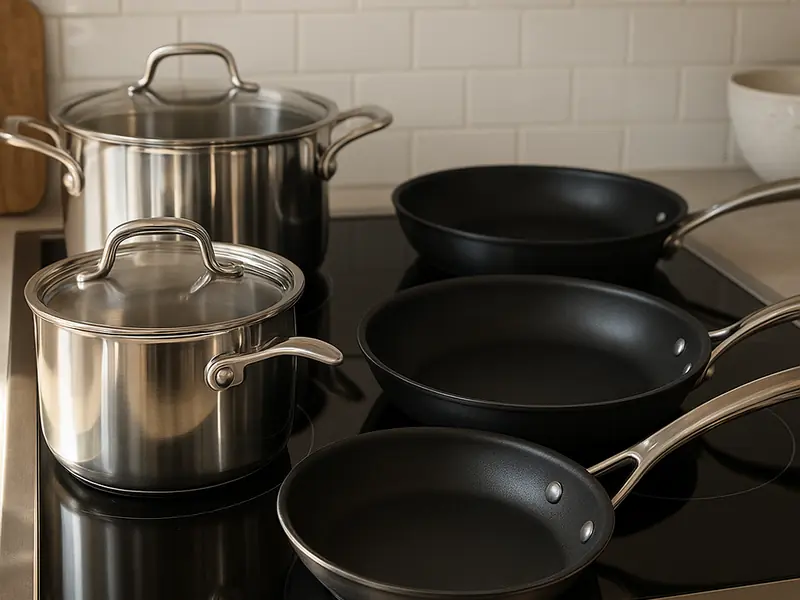
Nonstick cookware excels at ease of use and cleanup. The coating, usually PTFE based or a ceramic alternative in modern designs, creates a slick surface that lets food slide without sticking. This is especially helpful for eggs, pancakes, delicate fish, and sticky sauces. Because food doesn’t cling, you can cook with less fat and still achieve a clean plate. The downside is that nonstick coatings can wear down over time, especially with high heat, metal utensils, or abrasive scrubbing. Once the coating begins to peel or scratch, the performance diminishes and the pan’s efficiency declines. Many manufacturers offer warranties on nonstick lines, but the coatings are generally not as durable as bare metal, particularly with frequent use and aggressive cleaning.
Stainless steel advantages and limitations
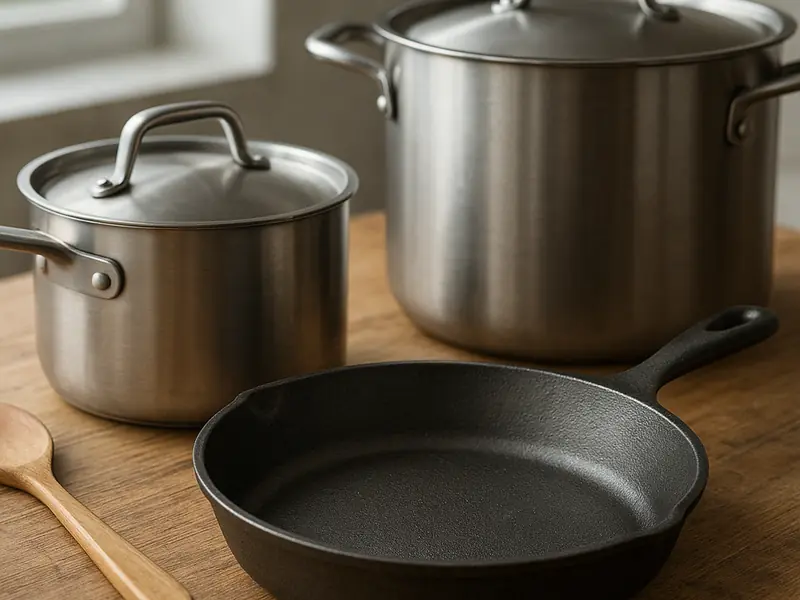
Stainless steel cookware offers rugged durability and superb heat tolerance. Good stainless steel pots and pans conduct heat well when they are constructed in multi ply or “tri ply” designs, often combining a core of aluminum or copper sandwiched between layers of stainless steel. This arrangement delivers even heating and excellent searing, browning, and deglazing capabilities. Stainless steel shines in longevity and versatility: it can withstand high temperatures, is usually dishwasher safe, and often works on all cooktops including induction. The tradeoff is that food can stick if the pan isn’t properly preheated and used with sufficient oil or liquid, especially for proteins and vegetables that are prone to sticking. Stainless steel often requires a little more attention to technique, but when done right it rewards cooks with superior fond for pan sauces.
Key factors to consider when comparing options
- Coating vs metal: If you want ultra easy cleanup and minimal sticking, nonstick is attractive. If you crave browning and precise searing, stainless steel will typically outperform nonstick for those tasks.
- Heat handling: Nonstick coatings tolerate moderate heat, but many enthusiasts reserve higher heat for stainless steel to get a reliable crust. Some ceramic nonstick lines can tolerate higher temps, but they still have a finite lifespan.
- Durability and maintenance: Stainless steel is resilient and long lasting with proper care. Nonstick coatings need gentler handling and gradual wear over time. Read warranty details closely for each line.
- Oven and induction compatibility: Most stainless steel sets are heat safe in the oven and work on induction. Many nonstick pans are oven safe but often at lower temperatures and with coating warnings. Always check the manufacturer’s guidelines.
- Weight and feel: Stainless steel pans with thick cores can be heavy but provide superb stability and heat retention. Nonstick pans are generally lighter and easier to maneuver, which can be a benefit for everyday use.
Shopping guidance from established brands and retailers
- All-Clad and Calphalon are two widely recognized brands offering strong stainless steel lines. All-Clad is renowned for its durable tri ply constructions and reliable performance, often at a premium price. Calphalon has a broad range from affordable stainless steel sets to higher end lines and also maintains well regarded nonstick collections. When shopping these brands, consider a basic three to four quart pot for sauces and a larger skillet for weeknight searing.
- Demeyere and Zwilling J A Henckels provide high end stainless options with excellent heat control and build quality. They are especially valued by serious home cooks and professionals alike for long term durability and even heating, albeit at higher price points.
- For nonstick, Circulon, Anolon, Scanpan, and GreenPan are popular choices. Scanpan and GreenPan offer ceramic or ceramic reinforced coatings that can stand up to more robust use while remaining relatively easy to clean. Circulon and Anolon emphasize durable nonstick layers with user friendly maintenance.
- If you are shopping online for convenience, Amazon provides an enormous range of brands and price points, with user reviews to help gauge coating longevity and performance. For in person guidance and after sale service, Williams Sonoma and Sur La Table frequently stock curated selections from premium lines and will often provide demonstrations or in store advice. Target and Walmart offer entry level and mid range options with broad availability at accessible prices.
- Direct brand websites are useful for warranty information and verified product details. For example, you can explore All-Clad or Calphalon product lines, read the exact coating type and oven safety notes, and register your purchase for warranty coverage. Scanpan and GreenPan often provide clear guidance on their ceramic coatings and care recommendations.
What to buy if you are new to cooking
- Start with a mixed approach: a good stainless steel skillet for searing and deglazing plus a reliable nonstick pan for eggs and delicate fish. A small and a medium sized pan should cover most weeknight meals without too much overlap.
- Look for a pan with a well engineered handle and comfortable weight. In stainless steel sets, a tri ply construction with a polished exterior typically indicates strong heat control. For nonstick, ensure the coating is PFOA free and that the interior surface is smooth and uniform.
- Consider a set that includes a simple starter pair with matching lids, plus at least one deeper sauté pan. This keeps the kitchen functional while you learn which technique you prefer for your daily meals.
Care and use tips
- Nonstick: avoid metal utensils, high heat, and rough scrubbing. Hand washing extends coating life; if you do use a dishwasher, verify the coating is rated for it. Store with protective soft linings to prevent scratching.
- Stainless steel: preheat properly, then add oil and allow it to heat before adding food. Deglazing after searing helps release stuck bits and builds flavor for sauces. It is generally safe to wash in the dishwasher, but hand washing can extend the life of any protective finish on the exterior.
- If a pan starts sticking unexpectedly, an easy fix on stainless steel is to reheat with a splash of water or wine to lift off the fond. For nonstick, a gentle cleaning routine with a soft sponge is typically sufficient.
Final thoughts
In the end, the best choice balances how you cook, how much you care about maintenance, and the budget you’re comfortable with. If you want maximum flexibility and long lasting cookware, invest in quality stainless steel for tasks like searing and deglazing, and pair it with a dependable nonstick for easy weeknights. With smart shopping through reputable brands and retailers, you can find sets that fit your kitchen style and maintain them well for years of cooking success.