
How To Choose Wireless Headphones
Article
2026-06-20 • 5 min read

How To Choose Wireless Headphones

Choosing wireless headphones is a balancing act between sound quality, fit, battery life, features, and price. The right pair should feel comfortable during long listening sessions, deliver clear calls, and stay reliably connected to your devices. Start by ...

Reviewed by the need-24 editorial team · Updated June 20, 2026 · Why you should trust us

Affiliate disclosure: this article contains paid links. If you buy through them we may earn a commission, at no extra cost to you.

Choosing wireless headphones is a balancing act between sound quality, fit, battery life, features, and price. The right pair should feel comfortable during long listening sessions, deliver clear calls, and stay reliably connected to your devices. Start by outlining how you’ll use them most often, then map those needs to the features that matter most. Below is a practical guide plus a quick comparison of leading brands and where to shop to help you decide with confidence.

First, define your use case. If you commute or travel a lot, active noise cancellation and a lightweight design become priorities, along with long battery life. If you work from home or take frequent calls, microphone quality and a stable multipoint connection to both your computer and phone matter more than flashy bass. For gaming, you’ll want low latency and a comfortable seal for extended play sessions. Gym or workouts call for a durable build, secured fit, and good sweat resistance. Once you’ve pinned your primary use, you can start narrowing by three core characteristics: comfort, sound profile, and connectivity.

Comfort and fit drive day to day satisfaction. Over-ear models tend to be the most comfortable for long sessions, but not everyone likes the press of a bulky cup on the ears. On-ear and in-ear designs save weight and can be more portable, yet they may not seal as well or keep you comfortable for hours. Look for weight, clamp force, and ear pad material. Breathable padding and a lightweight headband reduce fatigue. If you wear glasses, test how the headphones feel with them on, since temple pressure can become uncomfortable over time. Also consider durability and how well the headphones fold or collapse into a compact case for travel.

Sound quality and features follow comfort. Decide on your preferred sound signature: neutral for critical listening, warm and punchy for entertainment, or boosted bass for modern pop and hip hop. Noise cancellation is a major differentiator in many premium models, but it’s not universal in every price tier. Strong ANC should suppress ambient drone without making voices sound muffled or distant. Transparency or ambient modes let you hear the world without removing the headphones, which is handy in busy environments. If you place importance on voice calls, mic performance and wind protection are worth checking in reviews, because not all ANC driven mics deliver clear speech.

Connectivity and battery life often determine practicality. Most wireless headphones today use Bluetooth with common codecs such as SBC and AAC; premium models add aptX, aptX Adaptive, or LDAC for higher fidelity on compatible devices. If you own an iPhone or iPad, AAC performance is typically excellent, while devices running Android may benefit from LDAC or aptX. Multipoint pairing lets you stay connected to two devices at once, a real time saver if you switch between a laptop and phone. Battery life varies widely; aim for at least a full workday on a single charge, plus a quick charge option if you’re often in a rush. A robust charging case and USB-C connectivity simplify replenishment.

How To Choose Wireless Headphones

Microphone quality, build, and water resistance round out the practical side. A comfortable, durable frame with a decent IP rating helps if you’ll be on the move or in gym environments. Some models include additional features like voice assistant integration, auto pause when you remove the headphones, and customizable EQ via companion apps. Finally, consider the warranty and service network—brands with strong support can save you trouble down the line.

Brand and retailer comparisons help you size up top options quickly. Sony is often praised for all around excellence, with the WH series delivering industry leading ANC and long battery life in models like the flagship line. Bose remains a benchmark for comfort and premium call quality, with superb ANC and a refined, softer sound profile. Apple delivers seamless integration with iOS devices and a compelling ecosystem with the AirPods Pro line, though the sound signature can be more colorized and the price premium is high. Sennheiser and Bowers & Wilkins emphasize natural, studio-like sound with excellent clarity, while Jabra focuses on strong call quality and practical features for everyday use. For value, brands like Soundcore, Anker, and Skullcandy offer lower prices with surprisingly capable ANC and solid build quality.

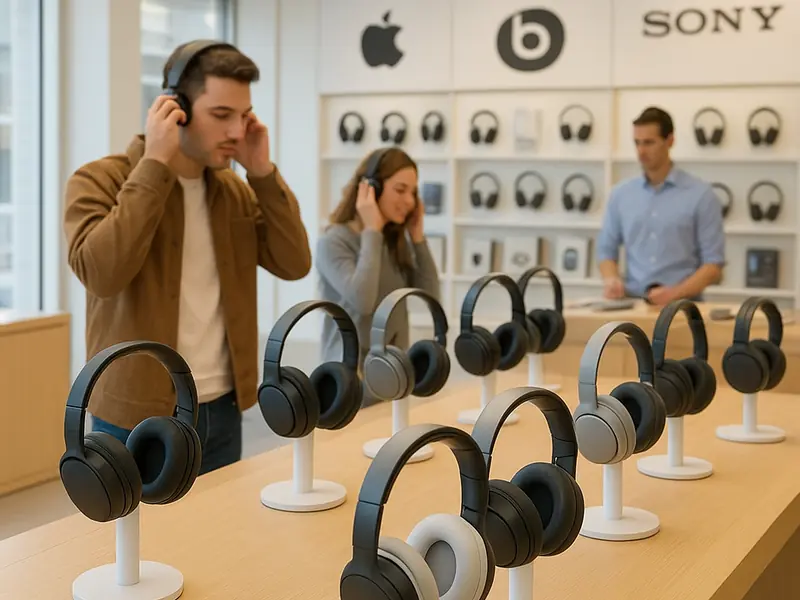
Shopping options and buying tips. Official brand stores are reliable for the latest models and authorized warranties, while major retailers such as Amazon, Best Buy, and B&H Photo provide broad selections, easy returns, and user reviews that illuminate real‑world performance. When comparing prices, check for price protection policies and seasonal sales. If you can, visit a physical store to try comfort and fit, then order online if you find a better price or need faster shipping. Read return policies and warranty terms carefully—many retailers offer generous return windows, though some electronics can be subject to restocking fees after use. If you’re unsure, opt for a model with a flexible return window and a solid warranty. For testing at home, build a short playlist that covers bass, mids, and treble, then listen for how the headphones handle dynamics and sibilance, plus how well the mic performs during a call. Don’t forget to verify device compatibility with your phone, laptop, and any gaming console or TV you plan to use. If you’re unsure about the right codec support, pick a model that handles AAC and SBC well and should work smoothly with your primary devices.

A practical decision plan. Set a budget, identify your top three use cases, and pick up to three models that fit those needs. Prioritize comfort and fit, then compare ANC, microphone performance, and battery life. Read independent reviews to verify real-world battery life and durability. Finally, confirm a favorable return policy so you can trial them in your typical environment. If you travel often, a compact case and quick charging will value more than a slight edge in frequency response. If you mainly work at a desk, a model with excellent mic quality and stable multipoint might be your best investment. With these steps, you can reliably narrow the field to a handful of solid choices and avoid buyer’s remorse.

In summary, the best wireless headphones for you balance your listening habits, comfort, and how you connect to your devices. By considering use case, comfort, sound and ANC, connectivity, and practical buying considerations, you can choose a model that remains enjoyable and dependable day after day. Whether you lean toward Sony’s all around excellence, Bose’ comfort and clarity, or Apple’s seamless ecosystem, the right pair exists—your job is to test, compare, and choose with confidence.

← Back to all articles