Choosing cat litter is a practical task that blends science, habit, and a bit of trial and error. The right litter minimizes tracking, reduces odors, and keeps maintenance manageable, while still respecting your cat’s comfort. Since cats are experts at showing their preferences, the journey often involves testing a few options before you settle into a routine that works for both of you. Below is a practical guide that explains the main litter types, what to consider, and where to shop for reliable options.
Different litter types and what to expect
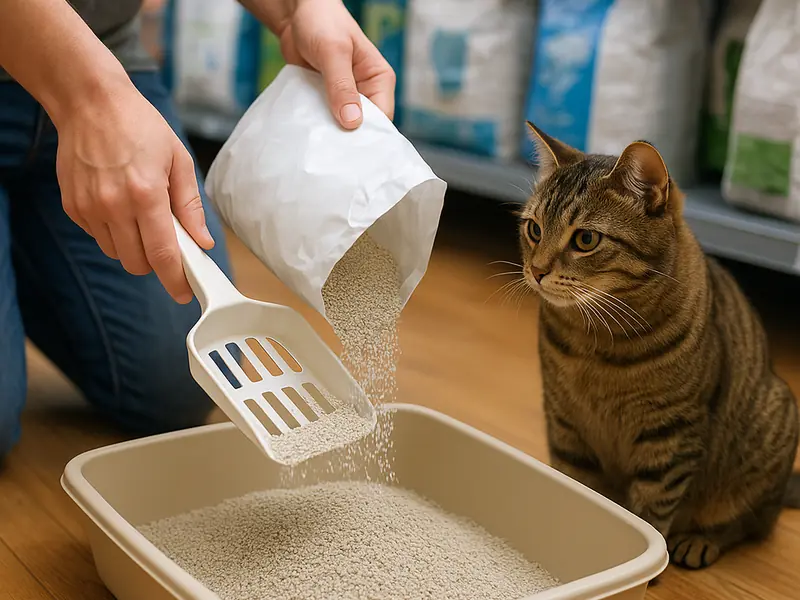
- Clay clumping litters: The traditional choice for many homes. They form solid clumps for easy scooping, typically offer good odor control, and are widely available. The downside can be higher dust levels and heavier weight, which matters if you need to carry bags or have respiratory sensitivities. Brands commonly sold by major retailers include Dr. Elsey’s Clumping Clay and Arm & Hammer Clump and Seal.
- Non clumping clay and low dust formulas: These often cost less upfront and can be effective in smaller households, but require more frequent complete litter changes since odors can accumulate between scoops.
- Silica gel crystal litters: Nearly dust free and long lasting, with strong odor control between changes. Some cats accept the texture well, while others dislike it. Silica options include certain crystal blends and subscription services that emphasize low-maintenance upkeep.
- Biodegradable and natural litters: Corn, wood, pine, and recycled paper litters appeal to eco minded households and can be less dusty. They tend to be more expensive per pound and may track more, depending on the brand. Ökocat pine and World’s Best Cat Litter made from corn are prominent examples.
- Hybrid and specialty blends: Some products mix materials to balance clumping, odor control, and low dust. There are also scented varieties, though many cats prefer unscented options, especially if they have sensitive noses.
Key factors to evaluate when choosing
- Odor control: This is about how well the litter traps smells between changes. Some formulas include odor neutralizers or carbon additives.
- Dust level: Dust can affect you and any family members with allergies, as well as respiratory health for the cat. Low-dust or dust-free formulas are worth trying if you notice coughing or sneezing.
- Clumping quality and scoop-ability: A fast forming, solid clump makes litter box cleaning easier and reduces mess.
- Ease of disposal and environmental impact: Some litters are flushable (though never flush if local rules discourage it), while others are designed to be more compost friendly or fully biodegradable. Check local waste guidelines before flushing.
- Cost and availability: The price per pound, packaging size, and delivery options can influence long term satisfaction. Some brands offer multi-cat formulations that last longer in households with more than one feline.
- Cat compatibility: Texture, granule size, and even scent can affect a cat’s willingness to use the box. Start with fewer changes and observe your cat’s reaction.
- Box setup and maintenance: The depth of litter should generally be two to four inches depending on the type; deeper for crystal litter in some cases. A litter mat can help reduce tracking.
Comparisons of how to shop and which brands or retailers to consider
- Major retailers: Chewy, Amazon, PetSmart, Petco, and Walmart all carry a wide range of litter types and brands. Chewy and Amazon excel in selection, customer reviews, and subscription options that can deliver on a regular schedule. PetSmart and Petco offer easy in store pickup and loyalty programs; Walmart tends to emphasize value per bag and broad availability.
- Brand specialists and eco options: World’s Best Cat Litter offers corn based formula that clumps well with relatively low dust. Ökocat provides wood fiber litters that are biodegradable and gentle on paws. Dr. Elsey’s is known for unscented, low dust options that appeal to cats with sensitive noses. PrettyLitter focuses on silica based crystals with a subscription model and color changing indicators for health monitoring, though the texture is not ideal for every cat.
- Odor and maintenance focused brands: Fresh Step and Arm & Hammer offer familiar clumping formulas with odor control, including activated charcoal variants. Tidy Cats by Purina is widely distributed and often priced competitively with multi cat options. These brands are commonly available in major supermarkets and online retailers, making recurring purchases straightforward.
- Subscriptions and convenience: PrettyLitter and several natural litter brands offer subscription services with regular shipments. This can simplify budgeting and ensure you never run low, but it’s worth comparing total delivered cost against one off purchases from a retailer.
A practical, step by step approach to choosing
- 1) Start with your cat’s preferences: If your cat has shown sensitivity to dusty formulas or has respiratory issues, opt for low dust or crystal litters, and consider unscented varieties.
- 2) Decide on the litter type to test first: If you want easy scooping and odor control, a high quality clumping clay might be a good start. If you prefer eco friendly options or your cat dislikes clay, try a biodegradable or natural blend.
- 3) Run a small trial with a couple of options: Use two litter boxes with different litters side by side for a week or two. Monitor acceptance, odor, ease of cleaning, and how much litter goes onto the floor.
- 4) Assess cost versus maintenance: Track how long a bag lasts relative to your box usage. A slightly more expensive formula that lasts longer can reduce overall cost and effort.
- 5) Factor in multi-cat realities: If you share your home with more than one cat, you may need a stronger odor control, better clumping, and larger bag sizes. Some brands market specifically for multi-cat households.
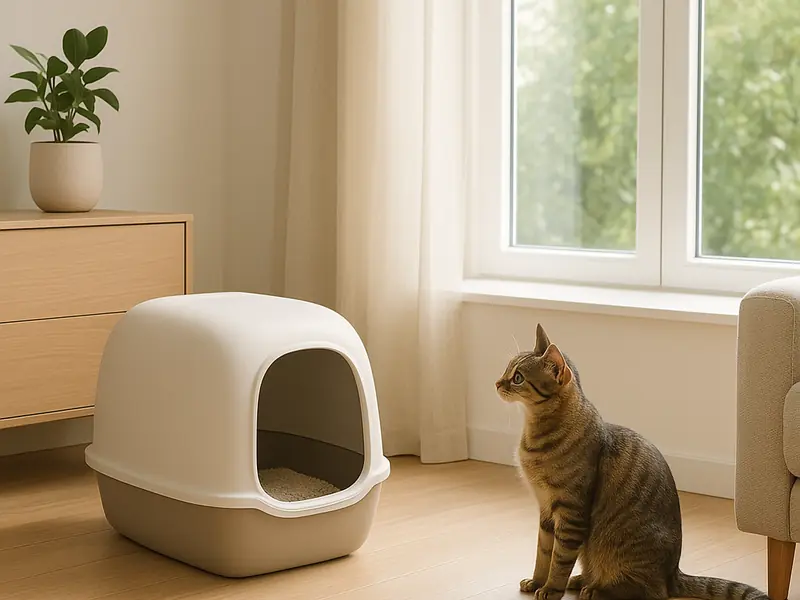
- 6) Combine with smart setup: Use a litter mat, keep boxes in a quiet but accessible spot, and maintain a regular scooping schedule. For tracking reduction, keep box depth consistent and consider sealed containers to reduce spilling.
- 7) Reassess after a few weeks: If odors persist or your cat starts avoiding the box, switch to another type or brand. It can take a little time for a cat to adapt to a new texture or scent environment.
Where to buy and practical tips
- If you shop online, compare prices per pound and read delivery terms. Look for autoship options to simplify ongoing purchases.
- In store, you can physically assess the texture and dust by picking up a bag. Some retailers offer bulk options or smaller trial packs that let you test without committing.
- For eco minded households, test biodegradable options against conventional clumping formula to determine both environmental impact and performance for your cats.
- Keep a note of your cat’s reaction and be ready to switch back if there is any sign of distress or refusal to use the box.
In the end, the best litter is the one your cat uses consistently and that fits your routine. A smart approach is to start with a well reviewed, low dust formula from a trusted brand, test two options, and keep an eye on how easy it is to clean and maintain. With a little experimentation, you’ll find a balance that keeps the box inviting for your cat and your home fresh and easy to manage.