Before you shop
Choosing the right coffee maker is more than picking a brand or a pretty finish. It’s about how you actually drink coffee every morning and how a machine fits into your routine, kitchen space, and budget. A well chosen brewer can speed up your morning, preserve your favorite flavors, and reduce waste from disposable cups. Before you start shopping, map out three essentials: your coffee habit, your space, and your budget. Then you can compare models with clarity rather than chasing the latest shiny feature.
Define your coffee goals
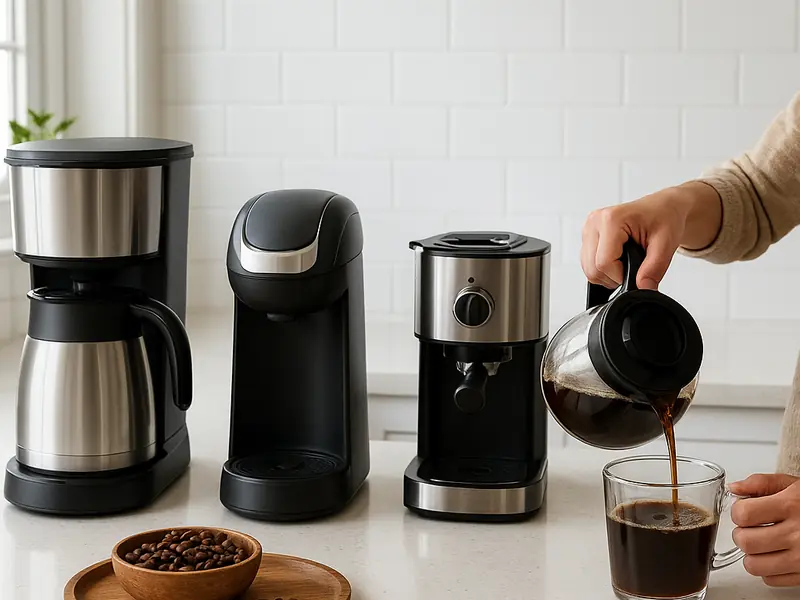
First, define your coffee goals. Coffee makers generally fall into a few broad categories, each with its own strengths. Drip coffee makers, often called filter brewers, are the workhorses of most kitchens. They produce multiple cups with relatively simple operation and good consistency. Single serve machines are designed for quick, cup by cup brewing using prepackaged pods or capsules, offering convenience and minimal cleanup. If you love the ritual of brewing and want more control, consider a pour-over setup or a traditional espresso machine, which can deliver richer flavor and stronger espresso shots in a compact footprint. Some makers blend capabilities, giving you a drip option for everyday use and a single-serve mode for busy mornings. Your choice should align with how many cups you typically drink, how much time you have in the morning, and how much you value things like grind size, brew strength, and exact water temperature.
Next, translate goals into features. The features you’ll care about most fall into several buckets:
- Brew method and capacity: If you need a full carafe for several people, a standard drip with a thermal carafe helps keep coffee hot without drying out the flavor. If you only drink a cup or two, a single-serve or 12 cup machine can be more efficient.
- Temperature control and extraction: Look for machines that maintain a steady brew temperature and have a preheat or bloom phase. Consistent temperatures yield balanced flavors and avoid sour or bitter notes.
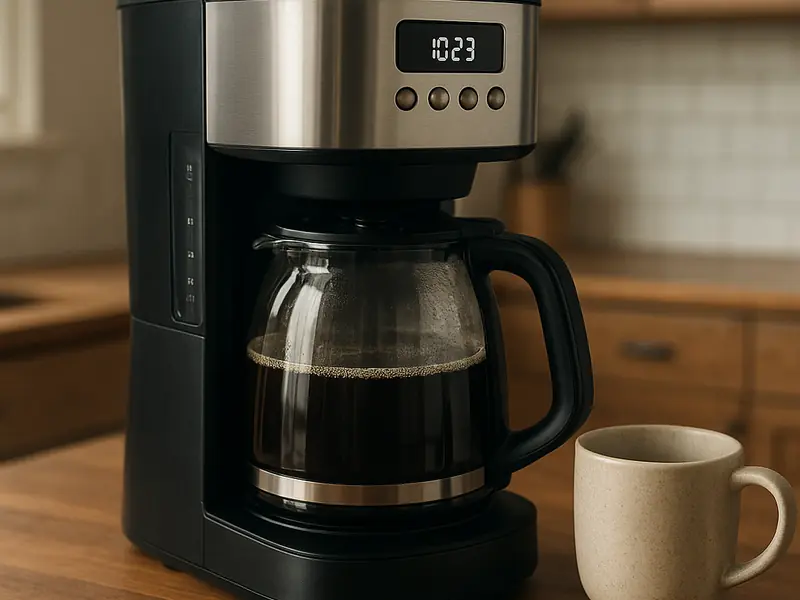
- Carafe type: Thermal carafes retain heat without overheating, while glass carafes require warming plates. Thermal options tend to keep coffee aroma stronger longer.
- Water filtration and freshness: Built in filters or the ability to use a third party water filter can improve taste by reducing mineral buildup and enhancing clarity.
- Grinder and grind control: A built in grinder offers fresh grounds for each brew and saves counter space, but it also adds maintenance and cost. If you already own good grinder equipment, a drip machine without a grinder can be a simpler, cheaper option.
- Programmability and customization: Timer functions, auto shut-off, brew strength, and size options let you tailor each brew to your day. Smart features like app control or voice assistant can add convenience if you enjoy technology in the kitchen.
- Cleaning and maintenance: Removable parts that are dishwasher safe, automatic cleaning cycles, and easy mineral descaling are huge time savers and prolong the life of the machine.
- Noise and footprint: If your kitchen is small or you share space with others, consider the machine’s footprint and noise level.
A practical way to compare products is to create a quick scoring sheet. List a few top models you’re considering and rate them on capacity, temperature stability, ease of cleaning, and price. If you regularly brew for guests, factor in reliability and parts availability since you’ll likely need replacements or filters over time.
Where to shop and compare prices and policies
There are several reputable retailers and brand sites to consider. Amazon offers a broad range of models with customer reviews, quick shipping, and easy returns. Best Buy provides in-store pickup, hands-on demonstrations, and a robust warranty program. Williams Sonoma and Sur La Table tend to carry premium drip and thermal carafes, often with knowledgeable staff who can discuss temperature targets and flavor profiles. Target and Bed Bath & Beyond are convenient for budget buys and frequent sales. For those who want brand direct guidance, visiting the manufacturer sites like Keurig, Breville, Ninja, Cuisinart, or Bonavita can reveal exact model specifications, warranty terms, and replacement parts. When shopping, compare current promotions, bundle deals (such as filters or descalers), and whether free shipping applies to larger appliances. Review policies on returns and exchanges, because coffee makers with complex features can be fickle in the long run and you’ll want a friendly return path if your taste evolves.
Inevitably, the choice narrows to a few trusted brands and models. For entry level buyers, a two-way or multi-function brewer from a major brand can offer a good balance of price and reliability. Mid-range options often emphasize durability, better build quality, and more precise temperature control. High-end machines deliver exceptional consistency, with finely tuned water temperature, pre-infusion settings, and, in some cases, commercial-grade components. If you value specialization, a dedicated espresso machine can unlock a broader range of drinks, but it comes with a steeper learning curve and more maintenance. If you want the ultimate simple setup, a premium drip machine with a thermal carafe and a compatible timer can provide excellent flavor with minimal fuss.
Maintenance and practical tips
Maintenance matters as much as features. Regardless of price, descaling every few months and replacing water filters when recommended are essential. Keep removable parts clean and handle glass carafes with care to avoid chips or cracks. After you choose a machine, run a few test brews using fresh water and your preferred coffee, then adjust grind size (if applicable) and coffee-to-water ratios to your taste. A practical rule of thumb is to use about one to two tablespoons of ground coffee per six ounces of water, adjusting for strength preferences. If you use a grinder, dial in a consistent grind size appropriate for drip brewing; a too-fine grind can lead to slow drainage and over-extraction, while too coarse a grind can yield weak coffee.
Budget considerations
Suggestions by budget can help you make a faster decision.
- For under a hundred dollars, options like reliable two-way brewers or basic single-serve machines provide convenience and quick results, though you may sacrifice some flavor control.
- In the one hundred to two hundred dollar range, you’ll find machines with better build quality, larger capacity, and stronger temperature stability.
- From two hundred to three hundred fifty dollars you gain deeper control over brewing profiles and more durable construction.
- For enthusiasts and homes with demanding schedules, premium options from top brands deliver superb consistency, simplify maintenance, and offer long-term value.
- If you’re unsure where to start, pick a model that offers at least two key features you care about most—such as a thermal carafe and programmable timer—and then upgrade later when your needs evolve.
In short, choosing a coffee maker is about aligning your routine with the machine’s strengths. Define how you drink coffee on a typical day, measure your space, and set a sensible budget. Then compare a few trusted models across the essential features: capacity, temperature stability, ease of cleaning, and cost of ownership. With a methodical approach, you’ll end up with a brewer that makes mornings easier, tastes better, and fits your life for years to come.