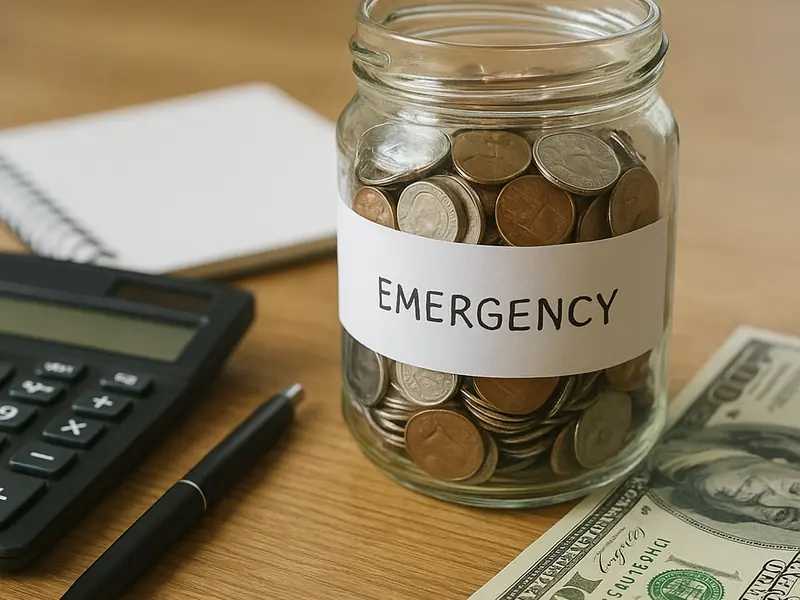

In a world full of unexpected expenses, an emergency fund acts as a financial safety net that keeps life from derailing when the roof leaks or a car breaks down. It is not a windfall plan or a dream investment; it is a liquid reservoir you can access quickly without penalties or risk. The idea is simple: you set aside money for genuine emergencies so you do not have to rely on high-interest loans or credit cards when life throws a curveball.
A well designed emergency fund starts with a realistic target. Most financial experts suggest aiming for three to six months of essential living costs. If you’re freelance, self employed, or your income fluctuates, you may want to lean toward six months. If you’re part of a stable, dual income household with lower fixed expenses, three months could suffice. Begin by listing non discretionary monthly expenses such as rent or mortgage, utilities, groceries, healthcare, transportation, minimum debt payments, and essential insurance. Multiply by the number of months you’re aiming for, and you have a rough target. Then add a small cushion for unusual costs like auto repairs or minor home maintenance. The exact amount is personal, but the principle remains: more liquidity equals greater security.
Where you store the money matters as much as how you build it. The ideal place is a high yield savings account or a similarly liquid account that is FDIC insured or guaranteed, with no penalties for withdrawals. You want ease of access, so you can tap the funds in a real emergency, not after a quest for the perfect rate. A few prominent options in the market are online banks and digital financial institutions that specialize in accessible savings. Here is a comparison of some well known providers that many savers consider for an emergency fund.
Ally Bank Online Savings offers no minimum to open, a straightforward online experience, and competitive interest rates. It emphasizes fee free access and user friendly mobile and web interfaces, making it easy to transfer money in and out. Many customers appreciate Ally’s customer service and lack of monthly maintenance fees.
Marcus by Goldman Sachs High Yield Savings is another widely used option. It is designed to offer a strong yield with no checking requirements to open and no fees that eat into your balance. Marcus emphasizes transparency, reliability, and a simple set of features that appeal to savers who want a straightforward product without a lot of strings attached.
Discover Online Savings provides a robust online platform with no minimum deposit to open and a competitive yield. Discover is known for solid customer service and a straightforward process to transfer funds between linked accounts, which helps keep the fund accessible while minimizing friction.
American Express National Bank High Yield Savings is favored by customers who value reliability and strong branding. It offers no minimum balance and a transparent fee structure, with easy transfers and robust customer support. While the rate may vary with market conditions, Amex tends to be a solid option for an emergency fund because of its long standing financial reputation.